EdTech Innovations: What to Expect in the Future of Education
The landscape of education is rapidly transforming, driven by technological advancements and innovative approaches. As we look to the future, several key trends in EdTech are poised to redefine how we learn and teach.
Artificial Intelligence in Education
Artificial Intelligence (AI) is already making significant strides in education. AI-powered tools can offer personalized learning experiences by adapting to the unique needs of each student. This customization helps in addressing individual learning gaps and enhancing overall educational outcomes.

Moreover, AI can automate administrative tasks, allowing educators to focus more on teaching and less on paperwork. From grading assignments to scheduling classes, AI can streamline various processes within educational institutions.
Virtual and Augmented Reality
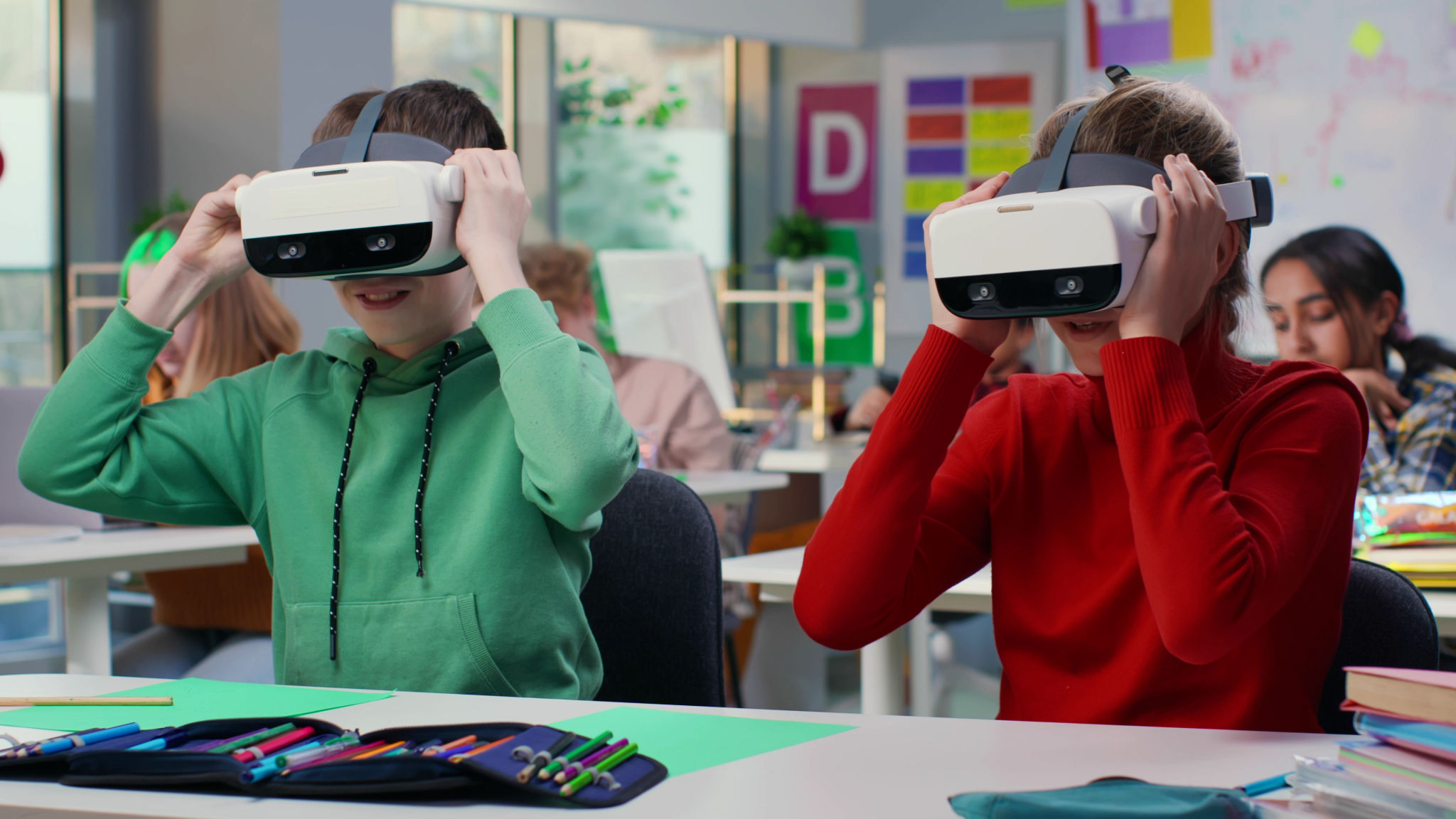
Virtual Reality (VR) and Augmented Reality (AR) are set to revolutionize the classroom experience. These technologies provide immersive learning environments that can make complex subjects more accessible and engaging.
For instance, students can explore historical sites, conduct scientific experiments, or even interact with complex biological systems in a virtual setting, enhancing their understanding and retention of information.
Gamification in Education
Gamification is another exciting trend in EdTech. By incorporating game elements into learning, educators can motivate students and make education more fun. This approach encourages active participation and can improve problem-solving skills.
Games can be used to teach a wide range of subjects, from mathematics to language arts, providing students with immediate feedback and a sense of achievement as they progress.

Adaptive Learning Technologies
Adaptive learning technologies are designed to adjust the difficulty and type of content based on an individual learner’s performance. These systems provide a tailored learning experience, ensuring that each student is challenged but not overwhelmed.
This personalized approach helps in maximizing learning efficiency and effectiveness, catering to diverse learning styles and paces.
Collaborative Learning Tools
Collaboration is a critical skill for the future workforce, and EdTech is making it easier for students to work together. Tools like collaborative platforms and digital whiteboards allow students to engage in group work, even if they are miles apart.

These tools promote communication, teamwork, and critical thinking, preparing students for real-world challenges. They also enable teachers to facilitate group projects and monitor progress seamlessly.
Conclusion
The future of education is bright with these EdTech innovations. As technology continues to evolve, it promises to create more engaging, personalized, and effective learning environments. Educators and institutions must embrace these changes to prepare students for the challenges and opportunities of tomorrow.
By harnessing these technologies, we can ensure that education remains relevant and accessible, paving the way for a more informed and connected world.