5 Ways Technology is Revolutionizing Classroom Management
Introduction
Classroom management has always been a cornerstone of effective teaching. With the advent of technology, educators now have powerful tools at their disposal to enhance the learning environment. Here are five ways technology is revolutionizing classroom management.
Automated Attendance Systems
Gone are the days of manual roll calls. Automated attendance systems utilize facial recognition and RFID technology to streamline the process. This not only saves time but also reduces errors in record-keeping.
These systems provide teachers with instant data, allowing them to identify patterns in student attendance and address any issues promptly. The result is a more efficient classroom where more time can be dedicated to teaching.

Digital Behavior Tracking
Behavior management is crucial for maintaining a productive classroom. Digital platforms now enable teachers to track student behavior in real-time. These tools offer insights into student conduct and help in creating personalized behavior improvement plans.
With the ability to share data with parents and guardians, these platforms foster a cooperative approach to student development. Teachers can send instant notifications about a student's progress, ensuring everyone is on the same page.
Interactive Learning Platforms
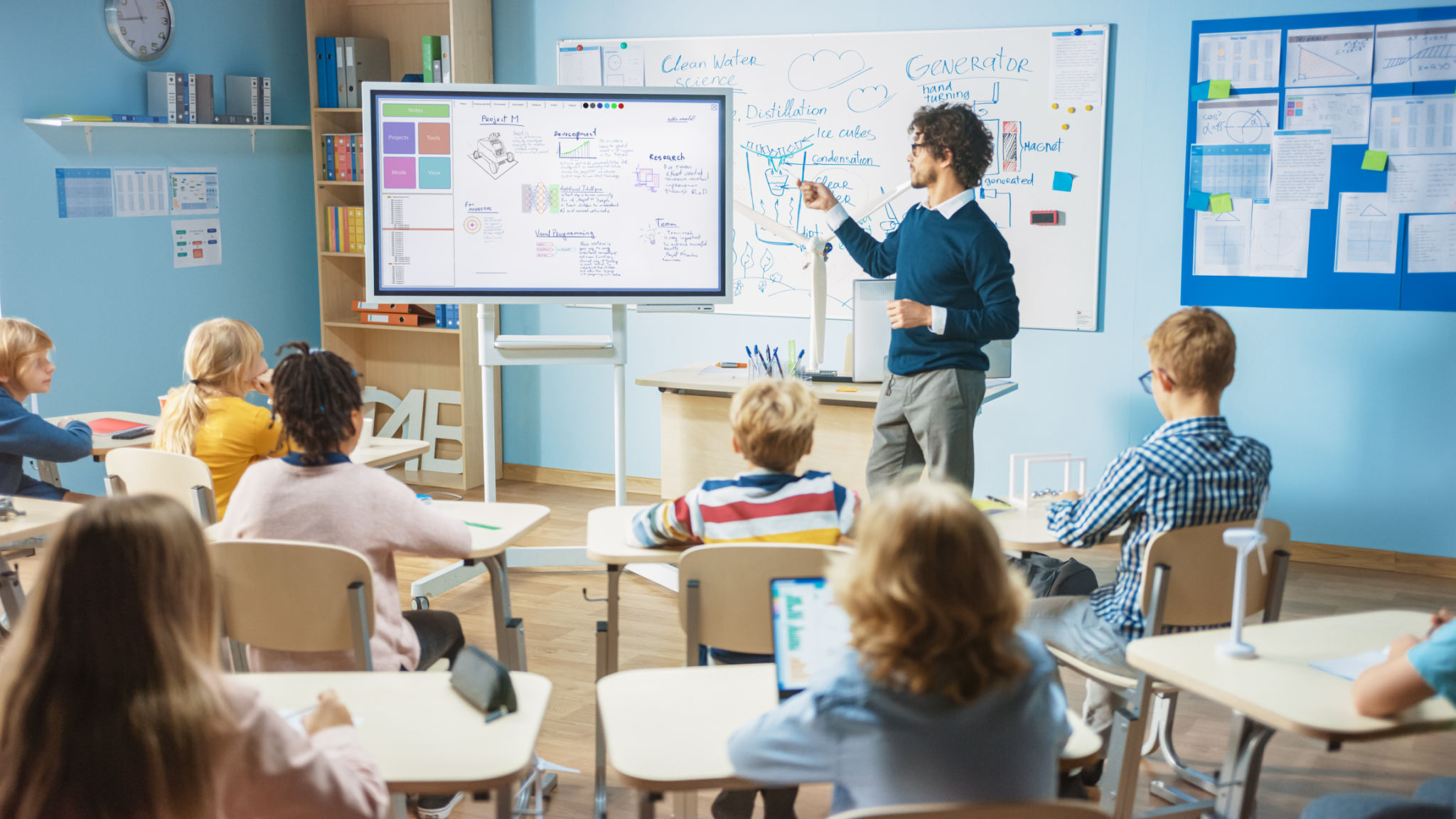
Interactive learning platforms have transformed how lessons are delivered. These platforms engage students through multimedia content and interactive exercises, catering to diverse learning styles.
Such technology encourages student participation, making classroom management more dynamic. Educators can use these tools to track student engagement and adjust their teaching methods accordingly.
Classroom Management Apps
Numerous apps are designed specifically for classroom management. These apps offer features like seating arrangement planners, task reminders, and resource sharing, all in one place.
By centralizing these functions, teachers can manage their classrooms more effectively and ensure that students have what they need to succeed. This leads to a well-organized and efficient learning environment.
Virtual Reality and Augmented Reality
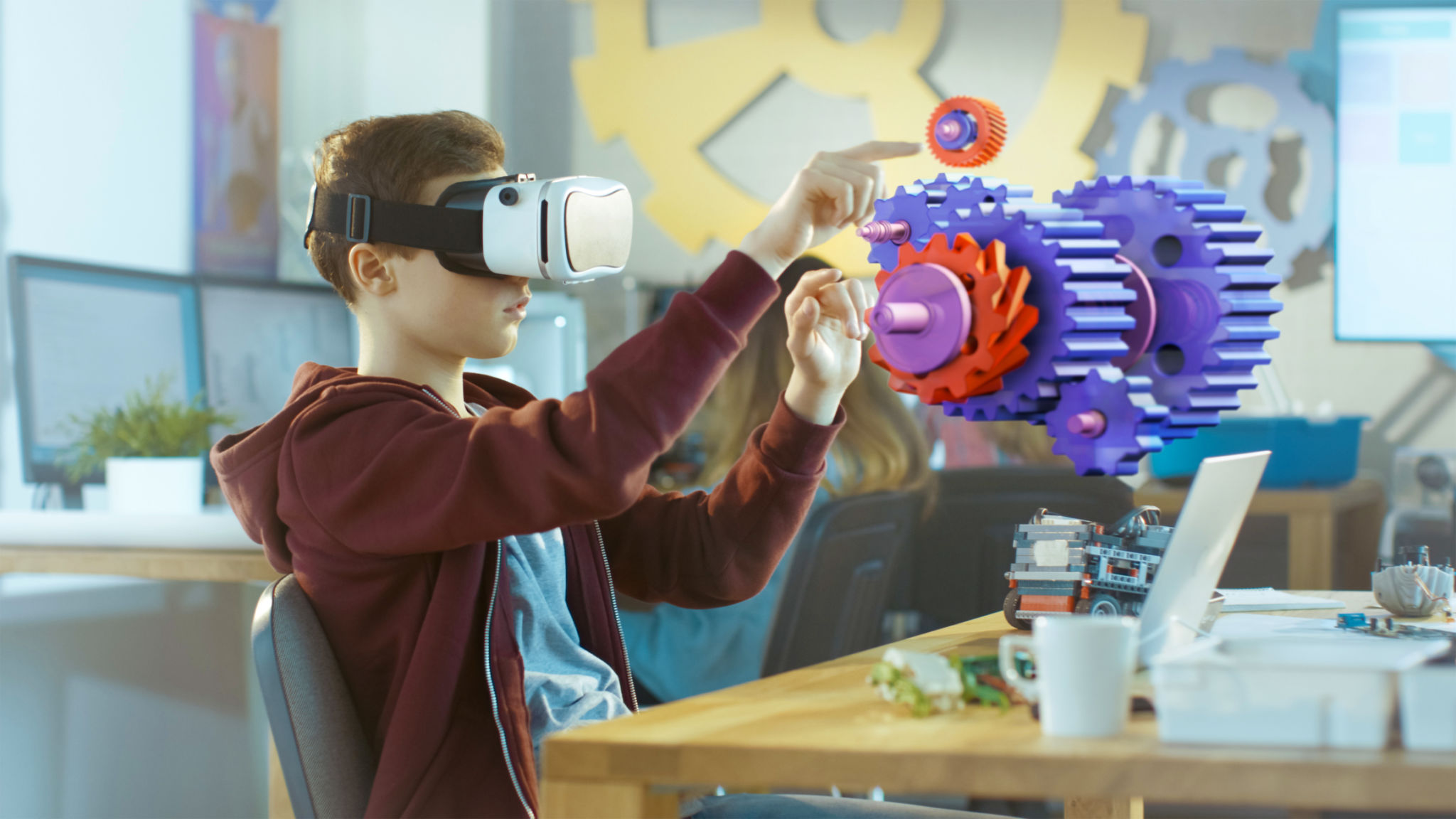
Virtual Reality (VR) and Augmented Reality (AR) have opened new avenues for immersive learning experiences. These technologies can simulate real-world scenarios, making lessons more engaging and relatable.
VR and AR can also help in classroom management by providing students with a more interactive and less distracting environment. This technology encourages focus and curiosity, essential components of effective learning.
Conclusion
Technology is undeniably reshaping classroom management. From automated systems to immersive experiences, these innovations are making education more efficient and engaging. As these tools continue to evolve, they promise to further enhance the educational landscape, benefiting both educators and students alike.